
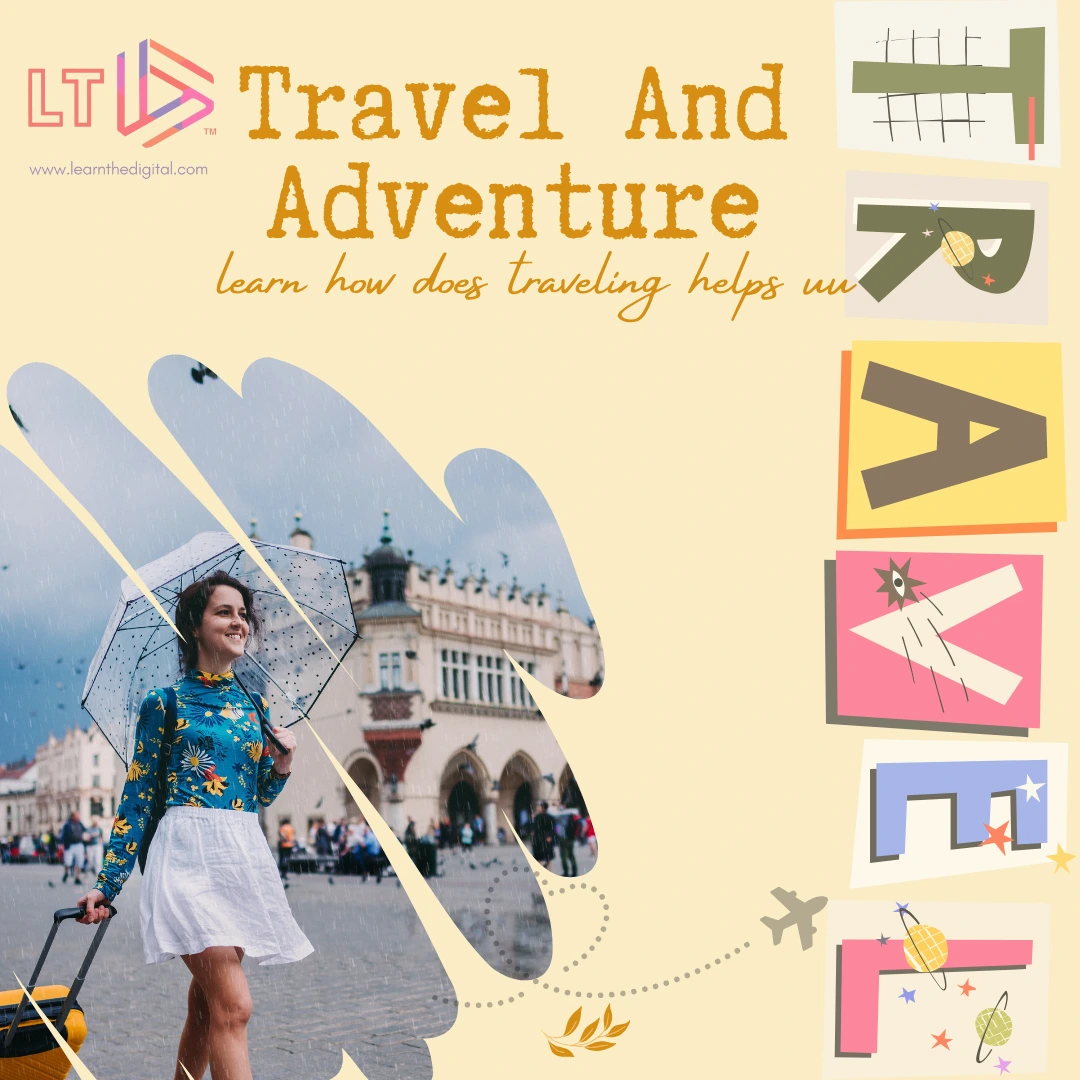
ravel and adventure encompass exploration, cultural immersion, and activities that involve a degree of risk, often requiring special skills or physical
exertion. It can be anything from hiking in the Himalayas to scuba diving in the Maldives. Adventure travel offers opportunities for personal growth,
connection with nature, and unforgettable experiences. Adventure tourists may have the motivation to achieve mental states characterized as rush or flow,
[2] resulting from stepping outside their comfort zone. This may be from experiencing culture shock or by performing acts requiring significant effort
and involve some degree of risk, real or perceived, or physical danger. This may include activities such as mountaineering, trekking, bungee jumping,
mountain biking, cycling, canoeing, scuba diving, rafting, kayaking, zip-lining, paragliding, hiking, exploring, Geocaching, canyoneering, sandboarding,
caving and rock climbing.[3] Some obscure forms of adventure travel include disaster and ghetto tourism.[4] Other rising forms of adventure travel include
social and jungle tourism.Access to inexpensive consumer technology, with respect to Global Positioning Systems, flashpacking, social networking and
photography, have increased the worldwide interest in adventure travel. The interest in independent adventure travel has also increased as more specialist
travel websites emerge offering previously niche locations and sports.There’s something special about embarking on an adventure into the unknown and really
experiencing the world. You could kind of see it as essential "soul food".
Whether it’s a trek into the mountains, a cycle along rural back roads, a mountain bike challenge over rugged terrain or a climbing expedition to a
majestic peak, an active adventure can liberate the soul and benefit your physical, mental and emotional state.Here are nine ways travel is the best
adventure and by making it an active one, you can truly benefit your well-being and everyday life.
Key aspects of travel and adventure:
Exploration: Venturing into unfamiliar environments and cultures.
Risk and Challenge: Pushing oneself beyond comfort zones, both physically and mentally.
Physical Activity: Activities like trekking, rafting, or cycling.
Cultural Immersion: Experiencing local traditions and customs.
Nature Connection: Spending time in natural environments and appreciating the outdoors.
Personal Growth: Developing resilience, confidence, and a sense of accomplishment.
Unforgettable Experiences: Creating lasting memories and stories.